
8 Common Indicators of Storm Damage to Your Roof and How to Respond
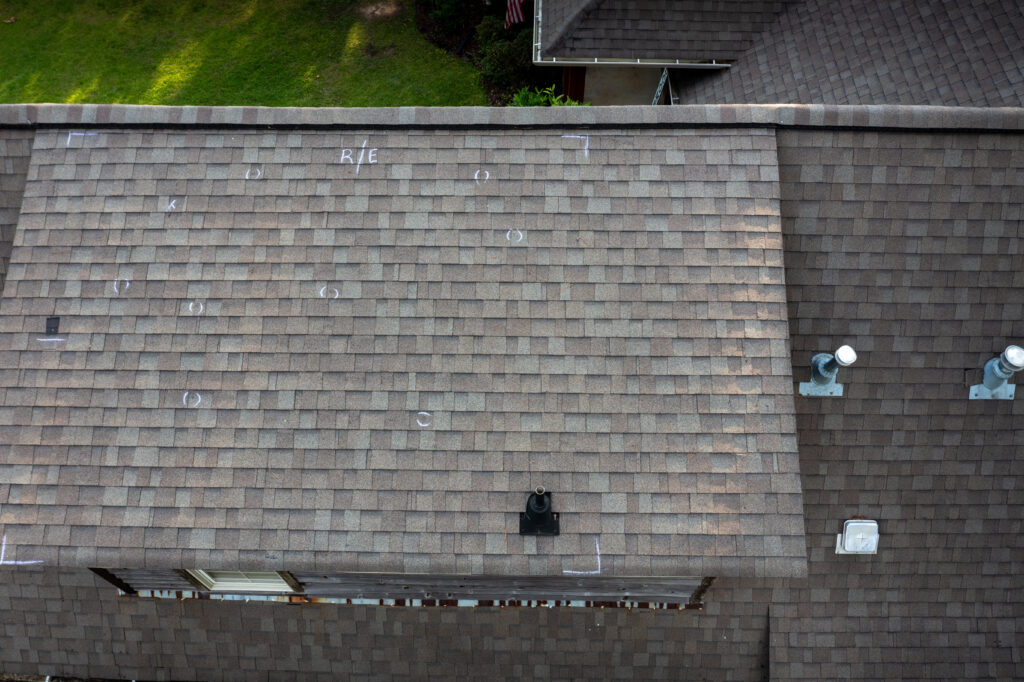
Storms can cause a lot of damage to your roof, so it’s essential to be prepared. Knowing the warning signs is critical to preventing extensive storm damage. Here’s a breakdown of the most typical indicators of storm-related damage and what you should do about them. One of the earliest signs of roof damage after a storm is the absence or breakage of shingles. Strong winds, hail, or heavy rainfall can dislodge or crack them, exposing your roof to deterioration. Look for shingles scattered around your property or visible gaps on your roof’s surface. Why Shingles Get Damaged: Wind can lift and rip shingles off, while hail can cause dents or break them entirely. Prolonged rainfall can also weaken the adhesive that keeps shingles in place. Knowing these factors can help you take preventive steps before severe weather strikes. Consequences of Missing Shingles: Over time, exposed areas on your roof can lead to leaks, water damage, and structural issues. Identifying and replacing missing shingles promptly can help you avoid costly repairs. Action to Take: Inspect your roof from the ground using binoculars. Contact a roofing expert for a detailed assessment if you notice any damage. Flashing, the metal material sealing joints around chimneys, vents, or skylights can be dented or torn during a storm, leading to potential leaks. Understanding Flashing Damage: Flashing acts as a protective barrier against water intrusion in vulnerable areas. High winds or hail can loosen, dent, or even tear the flashing, compromising its ability to prevent leaks. Impact of Damaged Flashing: If not addressed, damaged flashing can lead to water infiltration, rotting the roof deck, and impacting your home’s overall structure. What to Do: Check the flashing around chimneys, vents, and skylights for damage. If you find issues, have a professional handle the repairs to avoid water problems. Asphalt shingles are covered with granules for protection. After a storm, you may notice these granules accumulating in your gutters, signaling potential damage. Why Granules Are Important: Granules protect shingles from UV rays and improve fire resistance. Losing them weakens the shingles’ effectiveness and lifespan. How to Check for Granule Loss: Inspect your gutters and downspouts after a storm. An excessive amount of granules indicates your shingles might need replacing soon. Steps to Take: If you notice a significant loss of granules, schedule a roof inspection to assess the overall condition. Water stains on your ceiling or walls suggest that your roof has leaks. Storm damage can create openings, allowing water to seep into your home. Detecting Water Stains: Look for discolored patches on your ceiling or walls, usually yellow or brown. This often indicates moisture infiltration from roof damage. Why It Matters: Ignoring water stains can lead to mold growth, weakened insulation, and long-term structural damage. What You Should Do: Identify the leak’s source and arrange for professional repairs before it worsens. A sagging roof deck is a critical sign of storm damage and requires immediate attention. It usually means water has seeped in, weakening the materials. Why Roof Decks Sag: Water infiltration is the main culprit, causing wooden structures to warp and swell. Aging and poor construction can also be factors. Action Plan: If you notice a dip or sag, call a roofing specialist immediately to assess the severity and recommend repairs. Storms can cause vents to crack or break, affecting your roof’s ventilation and allowing water to enter. Why Roof Vents Are Vital: Vents help regulate temperature and moisture, extending your roof’s lifespan. Damaged vents disrupt this process, leading to potential issues. How to Handle It: Check for cracks or damage and have them repaired or replaced promptly. Storms can loosen or damage gutters, affecting their ability to channel water away from your home. Remember this: “Water pooling around the foundation can cause damage.” Why Gutters Matter: Properly functioning gutters prevent water from seeping into your foundation, avoiding leaks and potential structural problems. Checking for Damage: After a storm, inspect gutters for loosened sections or leaks. Address any problems quickly to maintain water flow. Action Step: Repair or replace damaged gutters to protect your home’s foundation from water damage. Mold or mildew growth indicates moisture has entered your roof, often due to storm damage. Health Implications: Mold can cause respiratory issues and allergies, making it essential to address quickly. How to Spot It: Look for black or green patches, especially in shaded or damp areas. Early detection prevents further damage. Next Steps: Contact a roofing expert to resolve the moisture issue and remove any mold. Final Thoughts Staying vigilant about potential storm damage is essential for maintaining your roof’s health. Regular inspections, prompt repairs, and preventive measures can save you from costly repairs. If you spot any of these warning signs, don’t hesitate to contact a professional roofing service for a comprehensive evaluation and repair plan. This proactive approach will help protect your home during stormy seasons.
Make A Home Insurance Claim For Roof Damage
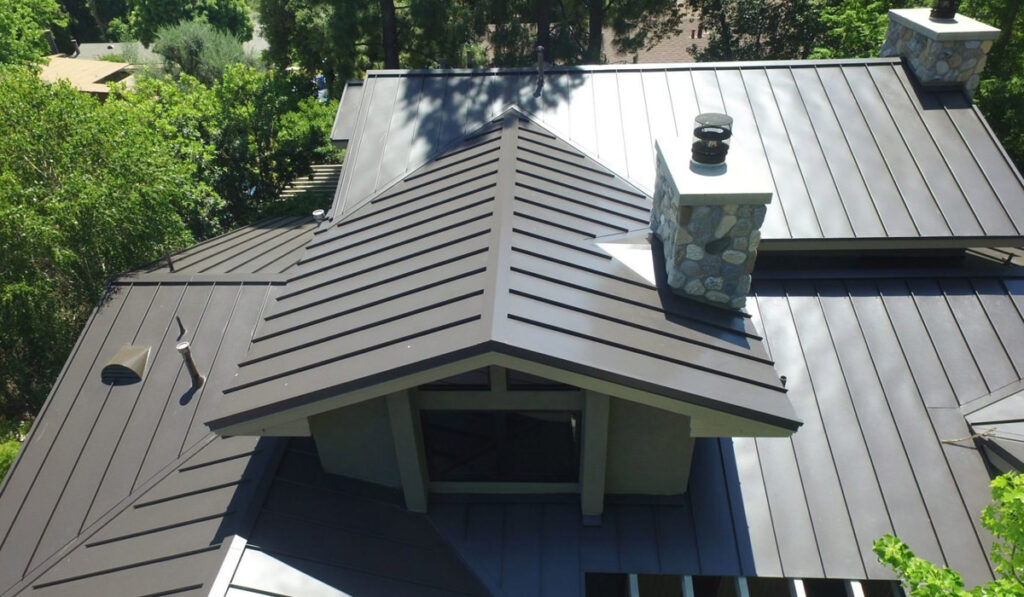
Roof damage can be a homeowner’s worst nightmare. It’s not just the damage itself that’s a concern. The process of filing a home insurance claim for roof damage can be daunting. This guide is here to help. We’ll walk you through the entire process. From understanding your insurance coverage to dealing with claim denials or disputes. We’ll provide you with actionable tips. These will help you communicate effectively with your insurance company and select a reputable roofing contractor. You’ll learn about the role of the insurance adjuster. And how to prepare for their visit. We’ll also cover the impact of deductibles and policy limits on your claim. And we won’t stop there. We’ll guide you on how to receive and use your insurance claim funds. And how to prevent future roof damage and claims. This comprehensive guide is designed to give you the confidence to navigate the home insurance claim process for roof damage. Whether you’re a homeowner, property manager, or real estate professional, this guide is for you. Let’s get started. Understanding Home Insurance Coverage for Roof Damage Before you can file a claim, you need to understand your coverage. Home insurance policies can vary greatly. Some policies cover all types of roof damage. Others only cover specific perils. It’s crucial to read your policy carefully. Look for the section on dwelling coverage. This typically includes roof damage. Also, check for any endorsements or riders. These may affect your roof damage coverage. Here are some key terms to understand: Types of Roof Damage Covered by Insurance Insurance typically covers roof damage caused by perils like fire, wind, and hail. Damage from a weight of snow or ice may also be covered. If a tree falls on your roof during a storm, your policy likely covers this. But remember, coverage can vary. Always check your policy to confirm what types of damage are covered. Common Exclusions and Limitations Most home insurance policies have exclusions. These are specific situations or types of damage that are not covered. For example, damage due to wear and tear is often excluded. If your roof was in poor condition before a storm, your claim might be denied. Damage from earthquakes or floods is typically not covered. For these, you would need separate policies. Again, it’s crucial to read your policy carefully. Understand what is and isn’t covered before you file a claim. The Importance of Regular Roof Maintenance Regular roof maintenance is key to a successful claim. It can help prevent damage in the first place. But it also shows your insurance company that you’ve done your part. You’ve taken steps to protect your home. This can make the claims process smoother. Here are some maintenance tasks to consider: How Maintenance Impacts Your Claim Regular maintenance can impact your claim in several ways. First, it can help prevent damage. This means fewer claims, which can keep your premiums lower. Second, it shows your insurance company that you’re responsible. You’re doing your part to protect your home. This can make them more likely to approve your claim. If you can show that you’ve maintained your roof well, it’s harder for them to deny your claim. Finally, regular maintenance can help you spot damage early. This allows you to file a claim right away, which can lead to quicker repairs. In short, regular roof maintenance is a win-win. It’s good for your home and for your insurance claim. Documenting Roof Damage for Your Claim When you notice roof damage, it’s crucial to document it. This is a key step in the claims process. Your insurance company will want to see proof of the damage. This is where photos and notes come in. Start by taking clear, high-quality photos of the damage. Capture different angles and distances. This will give a full picture of the extent of the damage. Include any related damage inside your home, like water stains or leaks. Also, take photos of the area around your home. This can show fallen trees or other factors that may have caused the damage. Next, write detailed notes about the damage. Include when you first noticed it and any potential causes. Also note any steps you’ve taken to prevent further damage. Here’s a checklist to help you document the damage: Tips for Taking Effective Photos and Notes When documenting roof damage, clarity is key. Your photos should clearly show the damage. Use good lighting and focus on the damaged areas. If possible, use a camera with a high resolution. Your notes should be detailed and precise. Include dates, times, and descriptions of the damage. Also note any related events, like a recent storm. This can help establish the cause of the damage. Remember, your documentation is a crucial part of your claim. It’s your proof of the damage and can help you get the compensation you deserve. Step-by-Step Guide to Filing a Roof Damage Claim Filing a home insurance claim for roof damage can seem daunting. But with the right steps, it can be manageable. Here’s a step-by-step guide to help you navigate the process. First, ensure safety. If the damage is severe, evacuate your home. Next, document the damage. Take photos and write detailed notes. Then, contact your insurance company. Report the damage and start the claims process. Finally, prepare for the adjuster’s visit. Clean up the area but leave the damage as is for inspection. Here’s a checklist to guide you through the process: Initial Steps to Take Immediately After Damage Occurs When roof damage occurs, your first step should be to ensure safety. If the damage is severe, it may not be safe to stay in your home. Next, try to prevent further damage. Cover the damaged area with a tarp or plywood. But only do this if it’s safe to do so. Remember, your safety is more important than property damage. How to File the Claim with Your Insurance Company Once you’ve ensured safety and documented the damage, it’s time to file your